
Spider Treatment for Eaves, Garages, and Porch Lights

Wolf Spiders run across the garage floor. Cellar Spiders hang in eave corners. Treatment that addresses the spiders and the insect food source they're tracking, in Central Valley homes.

Spider Control treatment by Fortis Pest Control in the Central Valley.

Common house spiders, covered on one plan

The spiders most Central Valley homeowners call about are not medically significant. Wolf Spiders, Cellar Spiders, Jumping Spiders, and the broader category of house spiders all look alarming, especially the large ones, but they don't pose a real threat to people or pets. The two species that do are the Black Widow and the Brown Widow, both covered on our dedicated Black Widow Spider Control page.

This page covers everything else. Spider control is part of the HomeShield plan, starting at $49 per month, and includes web removal, harborage treatment, and the perimeter work that keeps spiders from re-establishing season after season.

Two species worth naming

  • 01

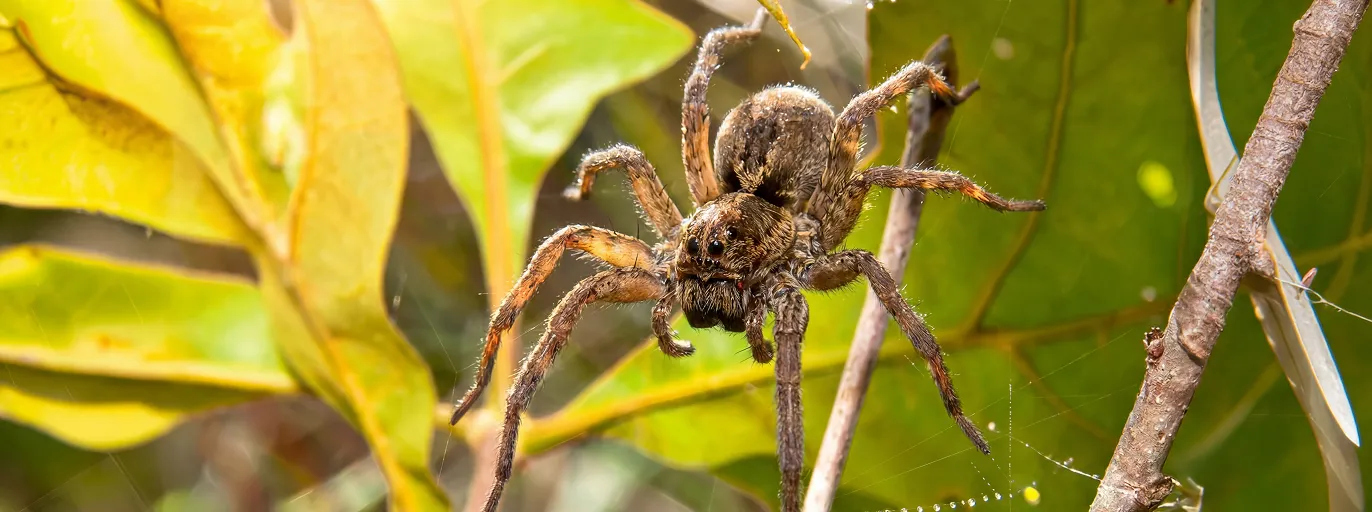
    Wolf Spider

    Large, fast, ground-running spiders that surprise homeowners by sprinting across a garage floor at night. Quarter-sized leg span, dark brown or gray, hunts on foot (no webs). Bite is medically insignificant.

  • 02

    Cellar Spider

    Thin, fragile, pale spiders with very long legs, hanging upside-down in messy webs in garage corners and eaves. Often misidentified as 'daddy long-legs' or Brown Recluse. Harmless, and they prey on other spiders.

Where common house spiders live around Central Valley homes

House spiders pick low-disturbance spots with access to insects. Around the Central Valley, that almost always means:

  • Eaves and soffits, especially where porch lights or landscape lighting pulls in flying insects after dark.
  • Garages, particularly the corners, the ceiling joists, and behind boxes or shelving along the back wall.
  • Under eaves and around exterior light fixtures where webs collect moths and gnats overnight.
  • Basements and crawl spaces, where Cellar Spiders thrive in cool, undisturbed corners.
  • Less-used rooms inside the house: guest bathrooms, formal dining rooms, hall closets, and any baseboards behind furniture that doesn’t get moved.
  • Outdoor furniture and storage, especially patio sets, BBQ covers, and the underside of anything that has been sitting in the same spot for more than a few weeks.

The pattern is consistent: spiders go where the insects are. Any home with active flying-insect pressure through the warm months will see a corresponding spider population. Treating one without the other doesn’t last.

Pricing Made Simple

Pricing scales with home size.
Quotes are free.

HomeShield

Proactive residential service

Starting at

$49 /month

  • Proactive, recurring visits throughout the year
  • Covers Central Valley's most common pests
  • Establish a pest barrier around your home
  • Re-services between visits included

HomeShield+

HomeShield with expanded mosquito treatment.

Starting at

Add-on

  • Everything in HomeShield
  • Expanded with targeted mosquito treatments
  • Yard-focused coverage through warm months
  • Best for outdoor entertainment!!

EcoShield

HomeShield with an eco-friendly product line.

Starting at

Add-on

  • Everything in HomeShield
  • Eco-friendly active ingredients
  • Same coverage, gentler products
  • Complete peace of mind for your family and pets

What you can do before we arrive

You don't need to prep the house, but two things help.

Don't spray a contact-kill yourself

Hardware-store sprays kill the spider in front of you and leave the harborage points untouched. They can also drive surviving spiders deeper into wall voids where treatment is harder.

Take photos of anything you're unsure of

If you find a spider you can't identify, snap a photo from a comfortable distance and send it when you book your quote. Your technician can confirm Black Widow versus Wolf versus Cellar versus anything else during the visit, and adjust the treatment plan accordingly.

How Fortis Treats Common Spiders

Spider numbers track insect numbers. We treat both in the same visit so the population drops and stays down.

01

Inspection

Pass through eaves, garages, fence lines, and any interior spots you've flagged to locate active webs and harborage.

02

Web removal

At every accessible location around the exterior, plus interior webs where they exist. This is the step that visibly reduces the population in the first 24 hours after treatment.

03

Harborage treatment

Of the cracks, voids, and corners where spiders shelter during the day.

04

Perimeter treatment

Around the foundation, eaves, garage thresholds, and fence lines to keep new spiders from reestablishing.

05

Underlying insect pressure

Addressed as part of the same visit, because spider numbers track insect numbers. Cutting off the food source is what brings activity down long-term. For homes on HomeShield, spider control is part of every quarterly visit.

Frequently
Asked Questions

The two medically significant spiders in the Central Valley are the Black Widow and the Brown Widow, both covered on our dedicated Black Widow page. Everything else (Wolf, Cellar, Jumping, House) looks alarming but is not a medical threat. If you're unsure, take a photo from a comfortable distance and send it when you book your quote. Your technician can confirm the species during the visit.

Web removal handles the active spiders at the time of the visit, and the harborage treatment addresses the spots they shelter in during the day. For an active spider on a wall or ceiling, your technician will remove it directly. We don't rely on a contact spray to chase down individuals, because that approach leaves the harborage points untouched and the next generation moves right back in.

Spiders follow the insect population. If your eaves or porch lights are pulling in moths, gnats, and flying insects through the warm months, you're feeding the local spider colony at the same time. Homes with active flying-insect pressure almost always have a visible spider population. Treating the underlying insect issue, which is part of HomeShield, is what brings spider activity down long-term.

Yes. The products we use are family-friendly once dry, typically 30 to 60 minutes after application. Your technician will let you know which areas to stay out of for the first hour. For households that want a gentler product line, our EcoShield add-on uses eco-friendly active ingredients.

Yes, when there's interior activity. Most common house spiders stay near their food source, which is usually exterior. When they do come inside, it's typically through garages, around windows, and along baseboards in less-used rooms. Your technician will treat any interior areas where you've seen activity as part of the standard visit.

Get your Spider Control quote

Share a few details about your pest problem and we'll get back to you with a free quote, usually within the same business day.

  • Free consultation

    Walk through your pest problem with a real Fortis tech, not a sales script.

  • Same-day quotes

    Most requests get a response within the same business day.

  • Family-friendly service

    Treatments are family-friendly once dry, typically 30 to 60 minutes after application.

  • Local and licensed

    Family and veteran owned. California license PR 9962.

Hours

Monday through Friday, 8am to 5pm Pacific

By submitting this form, you agree to be contacted by phone, text, or email about your request, and you agree to our Privacy Policy and Terms . Message and data rates may apply. Reply STOP to opt out.